
Local Economic Trends influence everything from grocery prices to transportation costs and rent increases. Understanding these trends allows you to make informed financial decisions, adapt your spending habits, and stay ahead of potential economic challenges.
While national and global economic conditions shape the broader financial landscape, local factors have a more immediate impact on daily expenses. Job availability, business growth, inflation rates, and government policies directly affect affordability in your community.
Rising housing costs, tax adjustments, and shifts in essential services can lead to financial strain if not properly managed. Monitoring these changes helps you anticipate costs and make adjustments to protect your financial well-being.
By evaluating Local Economic Trends and their effect on spending, you can proactively optimize your budget, explore new income opportunities, and reduce unnecessary expenses, ensuring long-term financial resilience despite economic fluctuations.
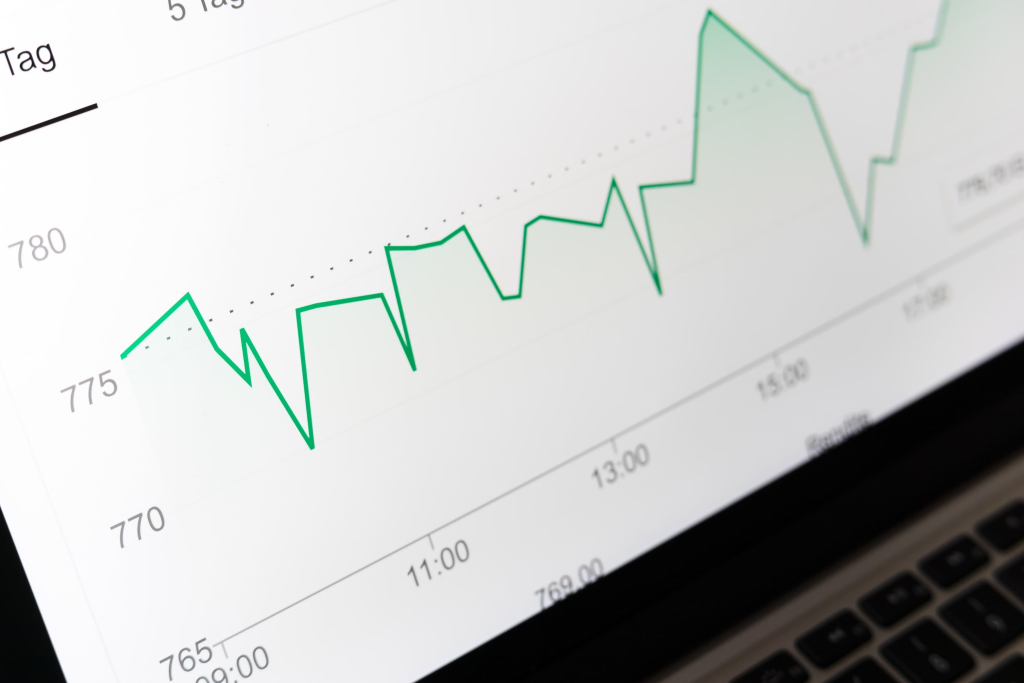
8 Steps to Understand How Local Economic Trends Affect Your Daily Spending
Understanding how these local trends affect your spending can help you make smarter financial decisions, adjust your budget proactively, and stay ahead of potential financial challenges.
Below are 8 crucial steps to analyzing local economic trends and their impact on your daily expenses.
1. Monitor Local Employment Trends
Job availability and wage growth play a crucial role in financial stability. A declining job market often leads to reduced consumer spending, affecting businesses and raising the cost of living. A growing job market, on the other hand, can increase salaries but also drive up housing and service prices.
To stay informed:
- Check local employment reports and economic data.
- Monitor industry trends to identify job growth or layoffs.
- Stay updated on wage changes to understand income fluctuations.
If job opportunities decline while costs rise, adjusting your budget, considering remote work, or looking for side income sources may help offset financial instability.
2. Track Inflation and Price Increases on Everyday Goods
Inflation affects household expenses differently depending on location. Rising transportation, food, and utility costs can quickly strain budgets, requiring adjustments in spending habits.
Key inflation indicators:
- Noticeable price hikes in groceries and essential goods.
- Increased fuel and energy costs raising household expenses.
- Higher service fees affecting healthcare, childcare, and education.
To mitigate these costs, consider bulk purchasing, switching to generic brands, and optimizing household energy consumption.
3. Pay Attention to Housing and Rental Market Trends
Housing prices and rental costs fluctuate based on supply, demand, and local development. When demand increases without sufficient supply, housing affordability declines, forcing residents to allocate more income to housing.
Watch for:
- Rising property values and rent increases in your area.
- Expanding neighborhoods that may change the cost of living.
- Housing shortages leading to competitive rental markets.
If housing costs consume a large portion of your income, consider negotiating lease terms, moving to lower-cost areas, or exploring homeownership options with fixed-rate mortgages.
4. Observe Local Business Closures and Openings
The success or failure of local businesses reflects the overall economic health of a community. A decline in businesses can lead to higher prices due to reduced competition, while an influx of new stores may improve affordability.
Indicators to watch:
- Closures of essential stores increasing travel time and costs.
- New retail developments affecting neighborhood pricing.
- Expanding corporate chains impacting local small businesses.
Supporting local businesses and adjusting shopping habits based on economic shifts can help balance cost and convenience.
5. Analyze Public Transportation and Commuting Costs
Transportation expenses change based on fuel prices, public transit funding, and infrastructure investments. Rising fuel costs or reduced public transit budgets can make commuting more expensive over time.
Key cost factors:
- Fuel price fluctuations affecting driving expenses.
- Public transit fare increases due to budget cuts.
- Infrastructure projects causing detours and longer commutes.
Adapting to these changes could involve using more fuel-efficient transportation, exploring public transit passes, or adjusting work schedules to reduce peak-hour travel.
6. Look at Changes in Local Tax Rates and Government Fees
Tax policies impact everything from property values to consumer prices. State and local governments often adjust taxes based on budget needs, affecting the cost of goods, services, and homeownership.
Examples of tax-related expenses:
- Property tax increases due to rising home valuations.
- New consumer taxes on goods like food, alcohol, or entertainment.
- Higher service fees for public utilities or toll roads.
Understanding local tax changes allows you to adjust your financial plan accordingly and explore tax-saving strategies.
7. Observe the Availability of Essential Services
When local economies struggle, funding for public services—such as healthcare, education, and social programs—may decline, leading to increased costs for individuals.
Signs of reduced services:
- Longer wait times for medical and public services.
- Decreased public school funding increasing educational expenses.
- Limited access to affordable childcare and assistance programs.
Exploring private alternatives, telemedicine, and community resources can help mitigate these service reductions.
8. Stay Informed About Economic Development Projects
Government initiatives and private investments in urban development influence local economies, affecting everything from job creation to property values. While new developments bring economic growth, they can also lead to higher living costs.
What to monitor:
- Infrastructure projects increasing neighborhood desirability and costs.
- Business expansions bringing new employment opportunities.
- Urban renewal projects raising rental and property prices.
Being aware of development plans helps you prepare for cost increases, potential job shifts, and investment opportunities.
Final Thoughts – Managing Local Economic Trends for Financial Stability
Local Economic Trends shape your financial reality, affecting everything from grocery prices to commuting expenses. Staying informed allows you to adapt spending habits, anticipate rising costs, and make strategic financial adjustments.
Small, proactive changes—such as tracking employment rates, following housing trends, and adjusting for inflation—help you maintain financial stability. Adapting early to economic shifts ensures better control over your budget and lifestyle choices.
Supporting local businesses, seeking lower-cost alternatives, and maximizing financial resources can help offset unexpected economic changes. Making informed choices minimizes financial strain while securing long-term stability in an evolving local economy.
Understanding how Local Economic Trends impact your community allows you to plan ahead, optimize resources, and make better financial decisions, ensuring a resilient and adaptable household budget.
See Also: 8 Steps to Start Investing Using a Portion of Your Monthly Income

 8 Keys to Balancing Education Costs with Your Everyday Spending