

Fashion trends in 2026 can inspire fresh outfit ideas that still feel like you.
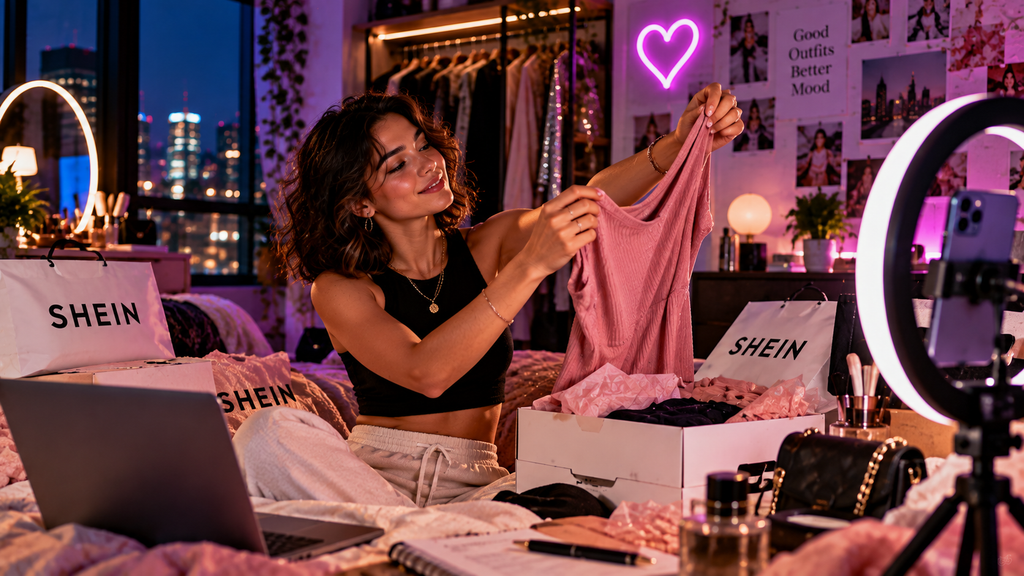
A new silhouette or interesting accessory can refresh the way you wear familiar clothes. You only need the part of the look that captures your imagination.
Treat these style ideas as experiments you can make your own. Existing favorites provide the foundation while new proportions, shades, or details bring another direction.
Test Comfort Before the Styling Photograph
Try the silhouette while sitting and walking, not just standing in front of a mirror. Loose or fitted shapes can each create different movement issues.
Keep the part of a look you enjoy and adjust the rest. You do not have to reproduce an entire outfit to borrow its direction.
Compare the new outline with one of your dependable outfits. The contrast will show which part of the look genuinely interests you and which parts feel unnecessary.
You might enjoy a roomier trouser shape while keeping a familiar top. Borrowing one element often makes a style easier to translate into ordinary wear.
Use Your Existing Color Palette
Try a new shape in a color that already combines with several pieces. This lets you judge the silhouette without also solving unfamiliar color combinations.
If color is the feature you want, reverse the approach. Choose a familiar shape and experiment with the shade.
A new silhouette in a familiar shade has fewer questions to answer. You already know how the color works with your shoes, layers, and most-worn accessories.
This makes the experiment more informative. If the combination feels awkward, you can investigate the shape instead of wondering whether several unfamiliar features caused the problem.
Evaluate Matching Sets Separately
A coordinated set may simplify one outfit, but check whether its top and bottom work independently with clothes you already own.
If only the complete set makes sense, decide whether you will wear it often enough. Two pieces do not automatically provide twice the usefulness.
Try the top of a set with jeans and its bottom with a shirt you already own. Independent combinations show how far the purchase might extend.
A matching outfit can still be worthwhile for a particular role. The important distinction is whether you are buying one clear look or several believable combinations.
Check Relaxed Denim With Your Shoes
A wider or looser leg changes the way a hem sits over footwear. Compare the intended length with shoes from your everyday rotation.
Look at the waistband and rise too. The general relaxed-denim look does not guarantee that a particular pair will feel comfortable.
Relaxed denim can introduce a different balance around the waist and shoes. Test the silhouette with your usual layers before adding further trend-inspired pieces.
Consider the amount of fabric you enjoy managing through a day. A photographed outline should translate into walking, sitting, and the places you actually visit.
Set a Limit for the Experiment
Decide what you can spend on a style you have not worn before. Include accessories or alterations required to make it usable.
A small experiment provides information without forcing a larger commitment. You can keep the idea if it works and move on if it does not.
Give the experiment a specific purpose, such as trying a different proportion for weekend outfits. That keeps the purchase separate from a general urge to update everything.
Use a familiar base while testing the idea. You will have a better sense of whether the new detail adds something before committing more money to the direction.
Test the Look in Your Routine
Try a new shape, shade, or accessory with a reliable outfit first. Keep the idea if it feels useful during normal wear.
Borrow One Accessory Detail
Try a bag shape, belt, or jewelry choice with a dependable outfit. Accessories can introduce a different look without replacing your main garments.
Choose something you can use in more than one combination. A piece bought for a single photograph may be harder to justify afterward.
Choose an accessory whose function remains useful if your styling preference changes. A suitable bag or belt can serve existing outfits as well as the experiment.
Try it with two combinations before paying. This provides a clearer reason to buy than assuming the trend will make it relevant to the whole wardrobe.
Read Fabric Information Carefully
A draped silhouette, structured jacket, or sheer layer depends partly on material. Look beyond the style name to composition, lining, and care requirements.
Product images cannot establish how fabric behaves throughout a day. Reviews and an appropriate fitting provide additional context.
Check how the material contributes to the style you noticed. A looser outline can look sharper or softer depending on its structure and how it falls.
Compare those features with clothes you already enjoy. The useful choice matches the effect you want while retaining care needs you can manage during regular wear.
Keep the Elements That Feel Like You
Compare the trend-inspired outfit with a familiar favorite. Notice whether the new version feels enjoyable or merely resembles what you have seen online.
Your preference is useful evidence. You can adopt part of the look without treating the whole trend as a requirement.
Keep a favorite color, shoe, or accessory in the new combination. That familiar element can make the outfit feel more personal while you explore the different shape.
Personal style develops through choices you repeatedly enjoy. A trend-inspired piece earns its place when it joins those choices rather than replacing them wholesale.
Try the Outfit on an Ordinary Day
Choose a low-pressure occasion to test the combination. Notice whether it stays comfortable and whether you reach for it again.
An outfit that works only for a posed image may need adjustment. Practical wear provides a clearer assessment than an initial mirror check.
Observe whether the outfit still appeals after you have moved through the day. The way it behaves can be more informative than the initial mirror impression.
Save a photograph and a short note about what worked. Those observations help you build a useful second version instead of continually searching for another trend.
Preserve Your Reliable Basics
Keep the garments that already solve your everyday needs. They can provide the starting point for different proportions, colors, or accessories.
Replacing dependable pieces to follow a trend can remove the very foundation that makes experimentation easier.
A dependable base gives experimentation somewhere to return. Keep your most useful trousers, tops, and footwear available while testing the new idea.
You can expand the look later if it works. A gradual approach leaves room to learn which details you want to keep wearing once the initial excitement passes.
Build a Personal Version of the Look
Describe the feature you liked in one sentence: a roomier leg, a stronger color, or a more noticeable accessory. Then reproduce only that part.
Use your existing wardrobe for the supporting pieces. This creates an outfit with a recognizable connection to the inspiration while remaining practical for your day.
Try it more than once before deciding whether to develop the direction. Repeated enjoyment matters more than the first rush of seeing a new silhouette.
Let Use Decide What Stays
A trend-inspired purchase deserves space when you enjoy wearing it and can integrate it into real outfits.
Try the look, observe the result, and keep what works. Your wardrobe does not need to change at the same speed as your feed.
Discover a Fresh Idea for Your Personal Style
Explore shapes, colors, and accessories that spark another outfit idea. Bring the detail you enjoy into a familiar combination and make the look your own.
EXPLORE THE COLLECTION You will be redirected to the official SHEIN website.
 AI in Everyday Life: Useful Ideas for Work, Shopping, and Creativity
  Online Shopping: Why the Next Great Find Feels So Tempting
  Digital Habits: Simple Routines That Make Your Day Feel More Organized